In nuclear standoff with US, Moscow reiterates backing for Iran, says Tehran has ‘right’ to program
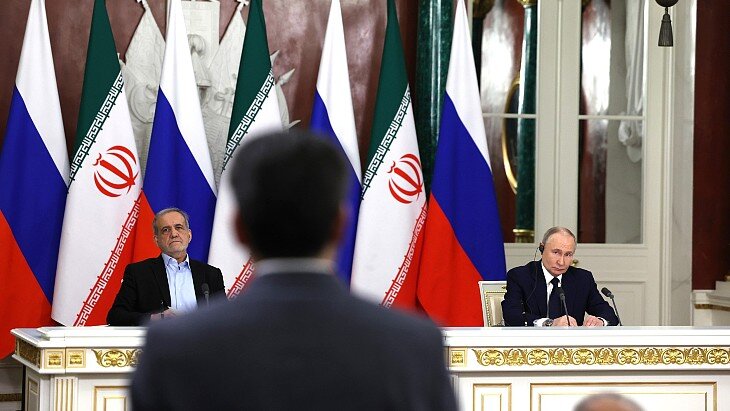
TEHRAN – Russia continues to throw its weight behind Iran as a nuclear standoff with the United States shows no sign of resolution, and leaders in Tehran grow increasingly doubtful whether they can expect diplomacy to ever bear fruit with the West.
In a post on X, Russia’s Permanent Representative to international organizations in Vienna, Mikhail Ulyanov, said Iran has the right under the Nuclear Non-Proliferation Treaty (NPT) to continue its peaceful nuclear program.
The diplomat made the remarks in response to an X post by former U.S. Secretary of State Mike Pompeo regarding Iran’s peaceful nuclear activities. Pompeo had said, “Iran is doing everything it can to reconstitute its nuclear program. We cannot allow this to happen.”
Ulyanov wrote that the former U.S. foreign minister appears to be unaware that, under the NPT, Iran has “the inalienable right to maintain national nuclear program provided that it serves exclusively peaceful purposes.”
The Trump administration attacked Iran’s nuclear sites during a 12-day war in June, which also involved Israel and occurred just days before Washington was scheduled to engage in a sixth round of nuclear negotiations with Iran. U.S. President Donald Trump had been calling for negotiations on Iran’s nuclear program since his first term, when he withdrew from the Joint Comprehensive Plan of Action (JCPOA), an international deal signed by Iran, the U.S., UK, Germany, France, Russia, and China in 2015. The UN-endorsed pact limited Tehran’s nuclear activities in exchange for the termination of sanctions. Trump called the deal “weak,” reinstated sanctions, and imposed secondary embargoes that straddled Iran’s economy and created immense human suffering.
Iranians have stated they will resume their nuclear activities, but remain willing to engage in talks that could produce a deal assuring the West that it is not pursuing nuclear weapons. This stance has not been received well by some in the Iranian public, who believe, after everything that has happened, Iran should just go ahead and build nukes.
However, since attacking Iran, Washington has emboldened its demands for a new agreement, telling Tehran that not only must it promise never to have a nuclear program, but also limit the range of its ballistic missiles to below 300km. This would mean Iran would not be able to strike Israel if the Israeli regime attacks again in the future. Iran’s main defensive tool during the 12 days of war was its missiles, which laid waste to several strategic and military sites in the occupied territories and forced Israel to ask for a ceasefire.
In another post on the X platform, Ulyanov said only the nuclear issue should be discussed in negotiations over Iran. “Right. The talks should be devoted to nuclear issues only,” Ulyanov wrote, reaffirming comments by Iranian Foreign Ministry Spokesperson Esmail Baghaei.
Baghaei had already stated, “the defensive capabilities of the Islamic Republic of Iran are designed to deter aggressors from any thought of attacking Iran and are by no means a matter that can be discussed or bargained over.”
Ulyanov added that any attempt to broaden the scope of talks to include regional security or missile issues would render the entire process unrealistic, likening it to an effort to “hit three birds with one stone.”
Russia also expressed its support for Iran when the European signatories to the JCPOA activated the so-called snapback mechanism post-war. That move was supposed to reinstate pre-JCPOA UN sanctions against Iran but has faced enforcement challenges due to strong opposition by Russia and China.
Furthermore, Moscow denounced the U.S.-Israeli military aggression against Iran and the U.S. bombardment of Iran’s nuclear facilities. Russian President Vladimir Putin said in a meeting with reporters back in summer that Iran did not ask for Russia’s help during the war, but Moscow would come to Tehran’s aid should it request assistance in any future confrontations.
Leave a Comment